

A refrigerated warehouse is more than just a storage facility. It is a critical part of the modern supply chain, protecting temperature-sensitive products while ensuring businesses operate efficiently and meet regulatory standards. Whether you’re serving the food industry, pharmaceuticals, beverage distribution, or logistics, successful refrigerated warehouse construction begins with careful planning and expert execution.
This guide explores the key stages involved in building a high-performance cold storage warehouse that delivers long-term value.
1. Define Your Facility Requirements
Every successful project starts with a clear understanding of your operational needs. Before construction begins, determine what products you’ll store, the required temperature ranges, expected storage capacity, inventory turnover, and future expansion plans.
These factors influence every aspect of your cold storage construction, from refrigeration equipment to warehouse layout and insulation requirements.
Planning for future growth at this stage can save significant time and money as your business evolves.
2. Select the Right Site
Location plays an important role in the efficiency of your operation. A well-positioned refrigerated warehouse should provide convenient access to suppliers, customers, transportation routes, and distribution centres.
It’s equally important to evaluate site conditions, utility availability, drainage, zoning requirements, and the space needed for loading docks, vehicle movement, and future facility expansion.
Choosing the right location supports smoother operations and reduces logistical challenges.
3. Design for Performance and Efficiency
An efficient warehouse is designed to maximise storage capacity while maintaining consistent temperatures throughout the facility. Insulated metal panel systems, high-speed doors, properly sealed loading areas, and energy-efficient building materials all contribute to maintaining stable environmental conditions. Every design decision should balance operational performance with long-term energy efficiency.
Well-designed cold storage facilities not only reduce operating costs but also improve product protection and equipment longevity.
4. Choose the Right Industrial Refrigeration System
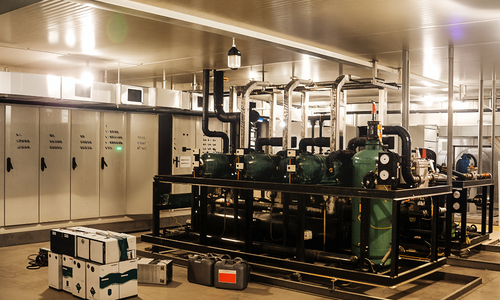
The industrial refrigeration system is the heart of any refrigerated warehouse. Selecting the appropriate system depends on your storage temperatures, product types, facility size, and operational requirements.
Reliable refrigeration equipment, intelligent control systems, and properly designed cooling infrastructure help ensure consistent performance while minimising energy consumption.
Working with experienced refrigeration specialists is essential to selecting a system that supports your business now and in the future.
5. Coordinate the Right Project Team
Building a cold storage warehouse involves multiple specialists, including refrigeration contractors, mechanical contractors, electrical contractors, insulated panel installers, and controls experts.
Without effective communication, projects can experience delays, unexpected costs, and installation challenges.
Professional refrigeration project management helps coordinate every stage of construction, ensuring contractors work together efficiently while maintaining quality and project timelines.
6. Prepare for Future Expansion
Business growth often creates new storage demands. Designing your facility with scalability in mind allows additional freezer rooms, refrigeration equipment, or warehouse space to be added without major structural changes.
Planning ahead provides greater flexibility while protecting your investment for years to come.
Build with the Right Partner
Successful refrigerated warehouse construction requires more than quality materials and equipment. It requires experienced project coordination, trusted contractor partnerships, and a deep understanding of cold chain solutions.
At Atlas Cold Chain, we specialise in cold storage construction, industrial refrigeration systems, and refrigeration project management for businesses across the Southeast. From initial planning and contractor coordination to construction oversight and project delivery, we help clients build dependable, energy-efficient facilities designed for long-term performance.
A well-built refrigerated warehouse doesn’t simply protect products. It strengthens your operations, supports business growth, and keeps your supply chain moving with confidence.